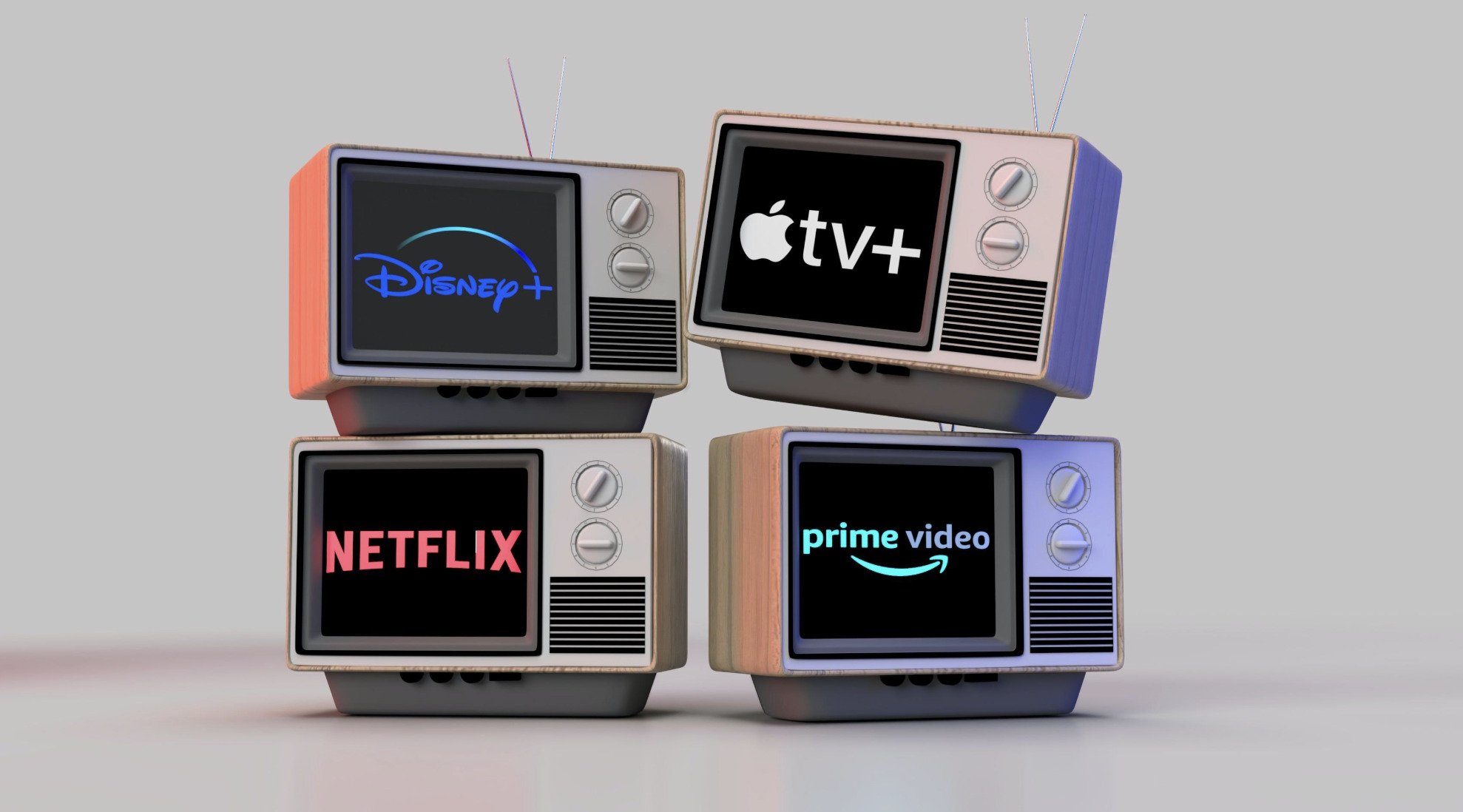
Scroll through almost any online entertainment platform today and you will find the past staring back at you. Beloved shows return as reboots, classic games arrive as remasters, decades-old songs resurface as the soundtrack to new trends, and entire visual styles borrowed from earlier eras are recycled as something fresh. Nostalgia, once a faint background hum in popular culture, has become one of the most dependable engines of online entertainment. Understanding why says a great deal about how memory, comfort, and commerce intersect in the digital age, and why the feeling of looking backward has become such a forward-looking business.
The Comfort of the Familiar
At the heart of nostalgia lies a simple psychological truth. In a world that changes faster than most people can comfortably absorb, the familiar feels like shelter. When everything from the news cycle to the apps on our phones seems to shift weekly, returning to something we already know offers a rare sense of stability. Encountering a song, a character, or an image tied to an earlier and seemingly simpler period of life produces a warm, reassuring feeling, a momentary reunion with a younger version of ourselves. Online entertainment thrives on emotion, and few emotions are as reliably pleasant or as easy to trigger as that bittersweet ache of remembering. A platform that can summon it on demand has access to a powerful and renewable resource.
This comfort is not merely sentimental. Familiarity also reduces risk for the audience. Trying something genuinely new requires effort and carries the possibility of disappointment, whereas revisiting something already loved promises a known reward. Faced with an overwhelming abundance of choice, people frequently default to the safe option, and nostalgia is the safest option of all. It is the entertainment equivalent of ordering a favourite dish you have eaten a hundred times rather than gambling on something unfamiliar on the menu. The certainty of the experience is part of the appeal.
Reboots, Remasters, and Revivals
Nowhere is the pull of nostalgia clearer than in the steady stream of reboots, remasters, and revivals that dominate online entertainment. Studios and developers have learned that an established title arrives with something no new property can claim, namely a built-in audience that already cares. A revived series does not have to introduce its world or earn its goodwill from scratch; it inherits years of accumulated affection. This makes nostalgia commercially attractive in a way that is hard to overstate. In an industry where launching anything original is enormously expensive and uncertain, a known quantity reduces the gamble. The audience is already assembled, already emotionally invested, and already inclined to share the news with friends who feel the same way.
The digital environment intensifies this effect because rediscovery is now effortless. Where once a fan would have had to hunt down an old film or track down a discontinued game, today the back catalogue of decades sits a single search away. This frictionless access means that the past is never truly retired; it remains permanently available, ready to be rediscovered by newcomers and revisited by those who loved it the first time. The result is a culture in which old and new coexist on the same screen, competing for the same attention, with the old often holding its ground remarkably well.
Retro Aesthetics as a Design Language
Nostalgia in online entertainment is not limited to reviving specific titles; it has also become a visual and stylistic vocabulary. Pixelated graphics, grainy film effects, the colour palettes and typography of earlier decades, and the deliberate imperfections of older technology are now used as creative choices in brand-new work. These retro cues are powerful because they communicate instantly. A designer who wants to evoke warmth, authenticity, or playfulness can borrow the texture of an earlier era and let the audience's own memories do the emotional heavy lifting. The style signals belonging to anyone who lived through the original moment, and it carries an appealing aura of authenticity even for those who did not.
This is why nostalgia functions as a shortcut. Building genuine emotional resonance from nothing is slow and uncertain, but a well-chosen retro reference can establish a mood in an instant. Audiences fill in the meaning themselves, supplying the associations and feelings that the creator only had to hint at. In an attention economy where the first few seconds decide whether someone keeps watching, that ability to evoke a complete emotional world almost immediately is enormously valuable.
Nostalgia, Identity, and Community
Beyond comfort and convenience, nostalgia plays a role in how people define and share who they are. The entertainment we grew up with becomes part of our identity, a shorthand for the era that shaped us and a marker of the generation we belong to. Sharing nostalgic content online is therefore also an act of self-expression and a way of finding others who remember the same things. A reference to a childhood favourite becomes a kind of password, instantly identifying fellow members of a tribe defined by shared memory. Online communities form readily around these collective recollections, and the act of reminiscing together strengthens the bonds between people who may have nothing else in common.
This communal dimension gives nostalgic content a built-in tendency to spread. When something stirs a fond memory, the instinct is to tag a friend, to ask whether they remember it too, to compare notes on a shared past. That impulse turns each nostalgic post into a small invitation to connect, and platforms that depend on engagement are happy to amplify anything that prompts people to interact. Nostalgia, in other words, is not only emotionally satisfying but also structurally suited to the way online attention circulates.
The Risk of Looking Backward
For all its power, an overreliance on nostalgia carries real risks. A culture that endlessly recycles its own past can begin to feel creatively exhausted, mistaking recognition for quality and comfort for excellence. When every other release is a revival or a remake, audiences may eventually grow weary, and the very familiarity that once felt reassuring can start to feel like stagnation. There is also a danger that nostalgia flattens memory, sanding away the rough edges of the past and presenting an idealised version that never truly existed. The more a brand leans on what people already loved, the less it invests in giving them something genuinely new to love, and that imbalance can hollow out a creative ecosystem over time.
The most thoughtful creators understand that nostalgia works best as a seasoning rather than a main ingredient. A reference that delights without dominating, a revival that honours the original while saying something fresh, a retro style applied to genuinely new ideas, these are the uses of nostalgia that enrich rather than replace creativity. Nostalgia is a tool for building an immediate emotional bridge, but a bridge has to lead somewhere, and the work that endures is the work that uses the past as a starting point rather than a destination.
The Pull of the Past
Nostalgia has become a powerful force in online entertainment because it answers several needs at once. It offers comfort in an unstable world, lowers the risk of disappointment in an age of overwhelming choice, communicates emotion with extraordinary efficiency, and binds people together around shared memory. In a digital landscape defined by relentless novelty, the familiar has paradoxically become one of the most valuable things a brand can offer. The challenge, for creators and audiences alike, is to enjoy the warmth of looking backward without forgetting to look forward, to treasure the past without becoming trapped in it. Handled with care, nostalgia is not a retreat from the future but a way of carrying the best of the past into it.