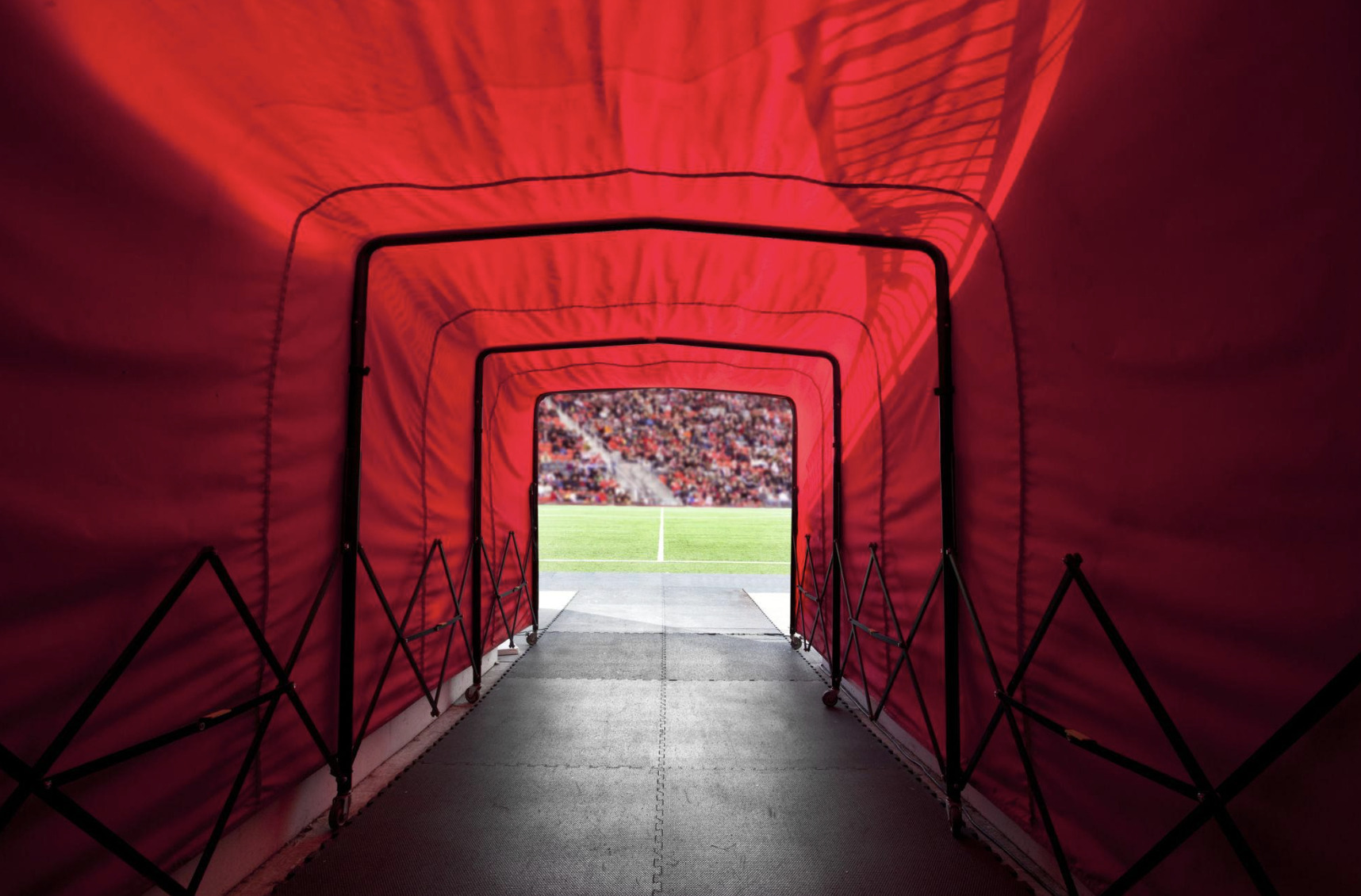
Every World Cup needs a first whistle, and on Thursday, June 11, it will sound in the one place that has earned the right to provide it. Hosts Mexico open the 2026 tournament against South Africa at the Estadio Azteca in Mexico City — the first match of a 48-team, 104-game, three-nation event, played in a stadium that with this fixture becomes the only ground in history to stage matches at three different men's World Cups. Before any of the favourites kick a ball, the tournament's opening act belongs to a host nation and a venue steeped in the competition's mythology.
The weight of the occasion
Opening matches are their own strange genre of football. They are rarely classics. The pressure of starting a World Cup, in front of a global audience and a partisan home crowd, tends to produce caution rather than spectacle — teams desperate not to lose the first match of a campaign that will define their summer. For a host nation, that pressure is doubled. Mexico will be expected to win, expected to entertain, and acutely aware that the mood of an entire tournament can be set, for better or worse, by how the openers perform on night one.
The Azteca itself is part of the story. At over 2,200 metres of altitude, it is a venue that has historically punished visiting sides unaccustomed to the thinner air, sapping legs in the final half-hour of matches. Add a capacity crowd roaring a co-host into the tournament, and the conditions tilt heavily toward Mexico before kick-off. This is exactly the kind of atmosphere a home team wants for an opener, and exactly the kind a visiting side must withstand for as long as possible.
Mexico: hosts under the brightest light
Mexico arrive carrying the particular burden of the co-host who opens. Tournament football has not always been kind to them at the latter stages, but a home World Cup is a different proposition entirely, and the group-stage assignment of an opening fixture is one a host can realistically target for three points. Their challenge in this match is less about overpowering the opposition than about managing the occasion: settling early nerves, using the altitude and the crowd, and avoiding the trap of forcing the game in front of an anxious home support if the first goal does not come quickly.
The expanded format offers them a margin for error they would not have had in the old structure. With the top two from each group advancing automatically and the eight best third-placed teams also progressing, a host nation has multiple routes out of the group even if the opener does not go to plan. That safety net should, in theory, free Mexico to play rather than to survive — but openers have a way of making even comfortable favourites tense, and how they handle the first twenty minutes will tell us a great deal about their tournament temperament.
South Africa: a return to the grandest stage
For South Africa, simply being here is significant. A nation that staged the 2010 World Cup and has felt the global game's spotlight before returns to the tournament proper as a genuine participant rather than a host, and an opening match against the co-hosts in an iconic stadium is the kind of stage that can either overwhelm a side or galvanise it. The smart approach for an underdog in an opener is well established: stay compact, deny the hosts an early goal that would unleash the crowd, frustrate the rhythm, and look to the closing stages — when altitude and home anxiety can level a contest — as the window of opportunity.
In the new 48-team competition, that approach carries extra logic. A draw against the hosts in the opening match is a genuinely valuable result, not a disappointment, because the best-third-placed route means points banked early can carry a team a long way. South Africa do not need to win this match to make their tournament a success on night one; they need to avoid losing it badly and to keep their qualification maths alive. That changes the calculus of how they might set up, and it makes a cautious, disciplined performance entirely rational rather than negative.
What to watch
The first thing to watch is the opening twenty minutes. If Mexico score early, the crowd and the altitude could make for a long night for the visitors, and the hosts may get the comfortable start a tournament opener craves. If South Africa weather that spell and reach the hour mark level, the pressure inverts — every minute without a Mexican goal tightens the atmosphere and invites the kind of nervous, error-strewn football that gives an underdog its chance.
The second is game management in the final half-hour, where the Azteca's altitude has historically been decisive. The team that has paced itself, kept disciplined shape, and preserved legs for the closing stages will hold the advantage when the air starts to bite.
And the third is simply the spectacle of it — a World Cup beginning where so many have begun before, in a stadium that has now seen the tournament come and go across three different eras. Whatever the result, Mexico against South Africa on June 11 is the moment the largest World Cup ever attempted stops being a schedule and a set of numbers and becomes, at last, a tournament. The first whistle at the Azteca is the one the whole sporting world has been waiting for.